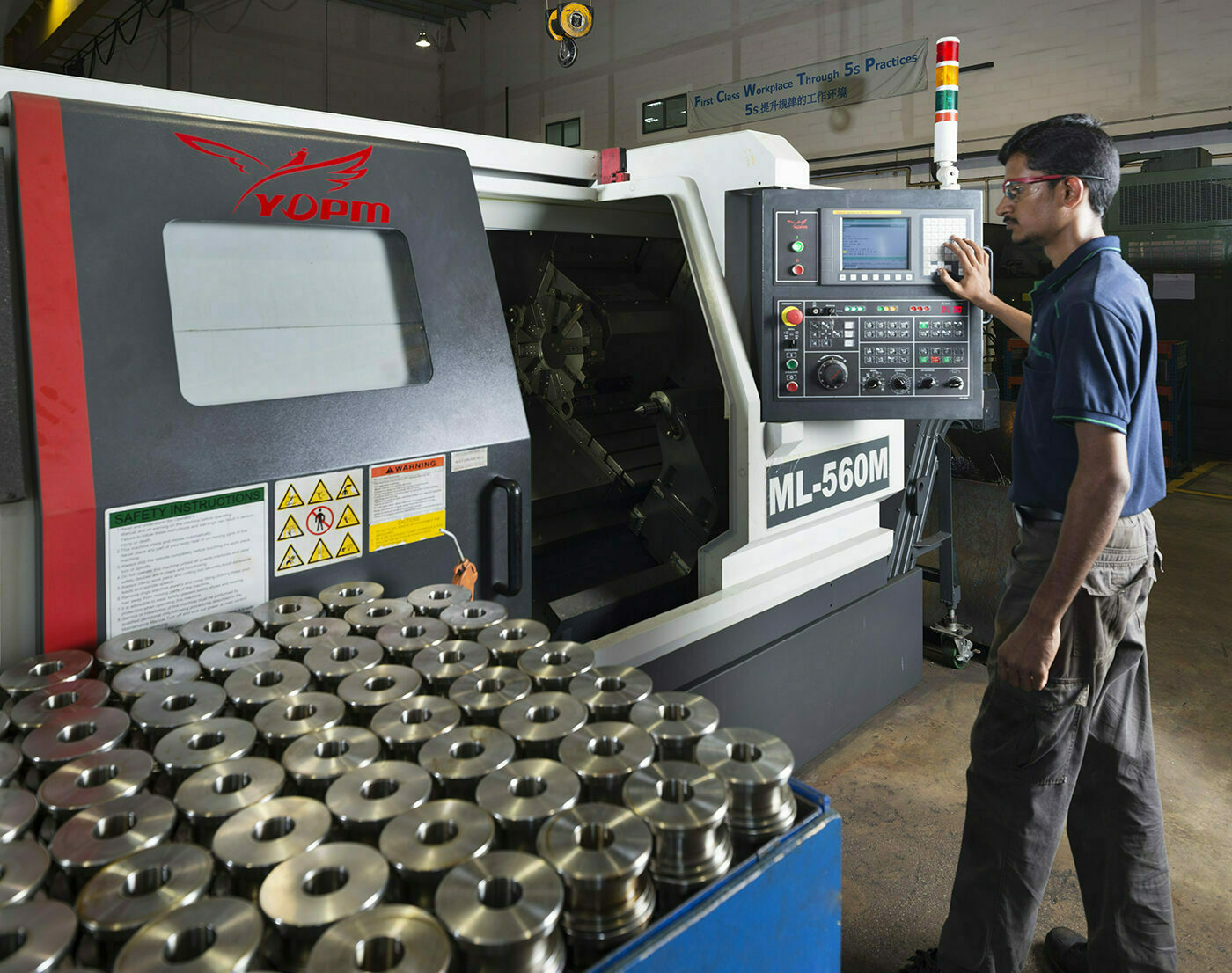
Hydraulic cylinders are the often unseen workhorses of many systems across the globe, silently operating demanding operations in building, agriculture, manufacturing, and mining work. These strong industrial actuators change controlled oil into controlled, linear action, raising, pushing, pulling, and positioning large objects with accuracy and reliability. While they may look misleadingly basic from the exterior, the performance of a industrial cylinder is the product of the smooth interaction of multiple internal elements operating together in ideal harmony. Knowing these essential components and their functions is critical for anyone working in design, usage, or servicing of industrial systems. Hydraulic cylinder parts
Primary Components of a Mechanical Actuator and The Way They Work
At the core of every industrial actuator lies the cylinder tube, a precision-machined housing that supports the main sliding parts. It acts as the main structure of the system and contains the working liquid that transmits power. Because it must withstand extreme inside stress and support consistent operation, the inside wall of the tube is precisely finished to strict specifications.Inside this housing sits the piston, the moving part that separates the inside chamber into separate pressure zones. When high-pressure liquid is channeled to either side of the component, pressure develops and drives the component along the length of the barrel. This movement is what directly produces the strong, straight-line force that the unit is engineered to produce. The piston fit and sealing within the tube are essential for maximum energy transfer and minimal oil leakage.
Connected firmly to the component is the output bar, a hardened alloy arm that delivers the energy produced within the system to the connected machinery. Whether pushing out to elevate a large structure or pulling back to realign a component, the drive bar must be exceptionally durable and damage-resistant. Often surface-treated or otherwise treated to limit rust and friction, this component ensures that the system can deliver reliable results under the most demanding situations. Hydraulic cylinder parts
How Understanding Cylinder Elements Is Important More Than You Realize
Mechanical systems serve a critical purpose in many industrial applications, but their output and service life rely on the quality of each core part. Understanding the jobs of the main tube, core, rod, rings, and supporting elements allows engineers to diagnose faults rapidly, plan repairs in advance, and support smart choices about repairs or upgrades. A worn output seal might result in fluid escape long prior to a internal breakdown becomes evident, and detecting this quickly can reduce significant interruptions and repair costs.Moreover, choosing the correct hydraulic unit for a specific task needs knowledge of how these elements influence power, speed control, and strength. Whether you are specifying machinery for a infrastructure fleet, servicing field machinery, or fixing plant automation, a solid knowledge of hydraulic cylinder design helps support optimal performance.
As the foundation of so countless mechanical machines, industrial units need serious consideration. By appreciating the roles each component performs—from the durability of the piston rod to the sealing of a tiny seal—you unlock the full capability of your equipment and ensure its function for many years to come.
Find out more on - Hydraulic cylinder parts